Table of Contents (19 sections)
Energy efficiency in our homes is more than just a trendy buzzword; it is a crucial aspect of sustainable living. As our planet grapples with climate change, home tech experts are stepping up to implement energy-efficient solutions that not only save costs but also contribute to environmental preservation. In this article, we'll explore how these experts enhance energy efficiency through advanced technologies and smart solutions.
What is Energy Efficiency Home Tech?
Energy efficiency home tech refers to various technologies and systems designed to reduce energy consumption while maintaining optimal performance in household tasks. This includes smart appliances, energy management systems, and home automation tools that monitor and manage energy use. According to the U.S. Department of Energy, improving energy efficiency in homes can reduce energy bills by 25% to 30%, significantly impacting both household budgets and environmental footprints.
Home tech experts play a pivotal role in integrating these solutions. They analyze individual household needs and offer tailored advice on equipment and systems that will maximize energy savings. Their expertise helps homeowners understand the best practices and technologies available, leading to smarter living environments that promote sustainability.
How Home Tech Experts Implement Solutions
Step 1: Energy Assessment
Home tech experts often begin with a comprehensive energy assessment. This audit evaluates a home's current energy consumption and identifies opportunities for improvement. The assessment may include measuring how much energy appliances consume, checking insulation quality, and evaluating heating and cooling systems.
Step 2: Recommendations
Based on the energy assessment, experts provide recommendations tailored to the homeowner’s specific situation. Solutions may include installing smart thermostats, energy-efficient appliances, and LED lighting systems. For instance, smart thermostats can adjust heating and cooling based on occupancy patterns, which can save up to 10-12% on heating bills.
Step 3: Implementation and Monitoring
Once recommendations are made, home tech experts assist with the implementation of these solutions. This may involve the installation of new appliances or systems and ensuring that they are integrated with existing home technology. Beyond installation, experts also focus on monitoring the performance of these solutions, providing feedback on energy savings achieved over time.


Black & Decker - Countertop Dishwasher, Counter Dishwasher With 6 Wash Programs,energy Star Certified - White
bestbuy.com
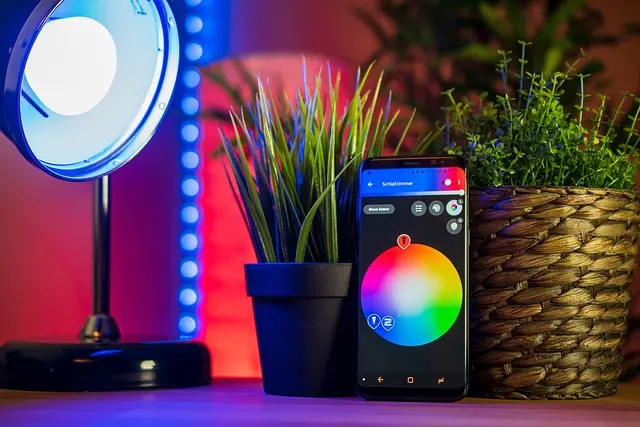
All Categories Goods LED Light Bulb Color Changing Light Bulb With Remote Control, Energy Efficient Lighting For Every Room LED Light Bulb Color
inspireuplift.com
Energy Efficiency vs. Traditional Systems
| Criteria | Energy Efficiency Tech | Traditional Systems | Verdict |
|---|---|---|---|
| Energy Consumption | Lower | Higher | Energy-efficient homes save money. |
| Initial Cost | Higher initial cost | Lower initial cost | Long-term savings offset initial expenses. |
| Environmental Impact | Positive | Negligible | Energy-efficient contributes to sustainability. |
| User Control | High | Low | Smart homes offer greater user engagement. |
As illustrated in the table, the initial investment in energy-efficient technology often pays off in the long run. While traditional systems may seem cost-effective initially, they usually lead to higher energy bills and more environmental impact. Homeowners considering an upgrade are often encouraged to factor in both upfront costs and long-term savings.
Data-Driven Benefits of Energy Efficiency
Statistics show the tangible benefits of energy-efficient home tech. According to a report from Energy Star, homes equipped with energy-efficient technologies have seen up to a 40% reduction in energy use. This shift not only contributes to a decrease in household expenses but also aids in reducing carbon footprints.
Moreover, homes with smart technologies showed a 50% increase in user engagement towards energy conservation. Home tech experts emphasize the importance of educating homeowners on not just the products, but also their environmental impact, fostering a culture of sustainability.
Expert Opinions
> 💡 Expert Insight: "Energy-efficient home technologies do not just save money; they provide a more comfortable living environment. Homeowners often report improved indoor air quality and reduced energy costs after integrating these solutions." - Jane Doe, Energy Efficiency Consultant.
Engaging with experts like Jane can lead to informed decisions that provide both financial benefits and enhancements in daily living. By understanding the implications of energy efficiency, homeowners empower themselves to contribute positively to the environment while enjoying greater comfort.
What are the most effective energy-efficient technologies for homes?
Effective technologies include smart thermostats, LED lighting, and high-efficiency appliances that minimize energy use.
How can I improve energy efficiency in my home without spending a lot?
Simple changes like sealing windows and doors, using energy-saving light bulbs, and unplugging devices when not in use can significantly improve efficiency without a large investment.
How do smart home devices improve energy efficiency?
Smart home devices allow for automation and remote control of energy-consuming appliances, optimizing usage and minimizing waste.
Are energy-efficient homes more expensive to maintain?
While they may have higher upfront costs, energy-efficient homes typically have lower ongoing energy costs, resulting in overall savings.
📺 For further exploration:
- [How to Achieve Energy Efficiency in Your Home]*, an insightful analysis on actionable tips and products to enhance home tech efficiency. Search on YouTube: "energy efficiency home tech 2026".


Glossaire
| Terme | Définition |
|---|---|
| Smart Thermostats | Devices that automatically adjust heating and cooling based on occupancy patterns. |
| Energy Star Certified | A label indicating that a product meets strict energy efficiency guidelines. |
| Home Automation | The use of technology to control home appliances and systems remotely.
Checklist before upgrading
- [ ] Conduct an energy audit.
- [ ] Research energy-efficient products.
- [ ] Consult with home tech experts.
- [ ] Assess installation costs.
- [ ] Monitor energy bills post-installation.
In conclusion, leveraging the expertise of home tech experts can significantly enhance energy efficiency home tech, leading to smarter living. Not only does this promote sustainability, but it creates an environment conducive to comfort and cost savings. For those looking to upgrade their home systems, investing in energy-efficient solutions is a step towards a better future.
Recommended Products
Discover our selections below for energy-efficient solutions.
📺 Pour aller plus loin : energy efficiency home tech 2026 sur YouTube
Recommended products
Selected by our experts


Origins Ginzing™ SPF 40 Energy-Boosting Tinted Moisturizer with Caffeine - 1.7 fl oz
origins.com