Table of Contents (17 sections)
In recent years, smart homes have transitioned from a futuristic concept to a widespread reality. Today, smart device integration is essential for creating efficient and convenient home environments. As technology evolves, many homeowners seek the expertise of home tech specialists. These professionals play a pivotal role in ensuring various smart devices work harmoniously, enhancing performance and usability.
What is Smart Device Integration?
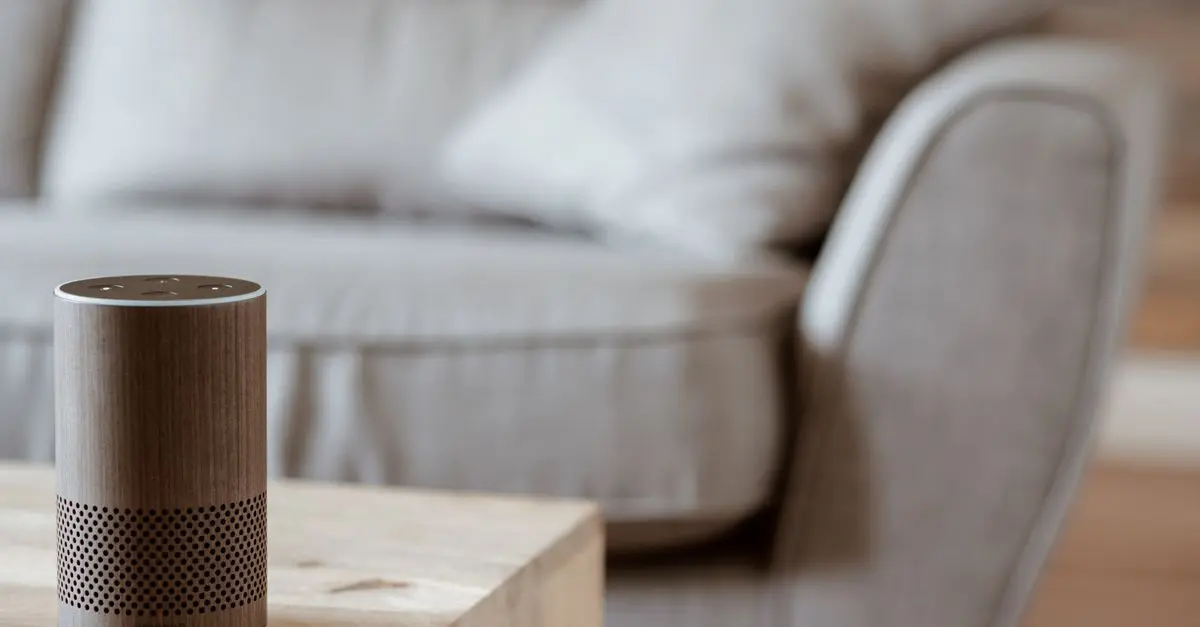
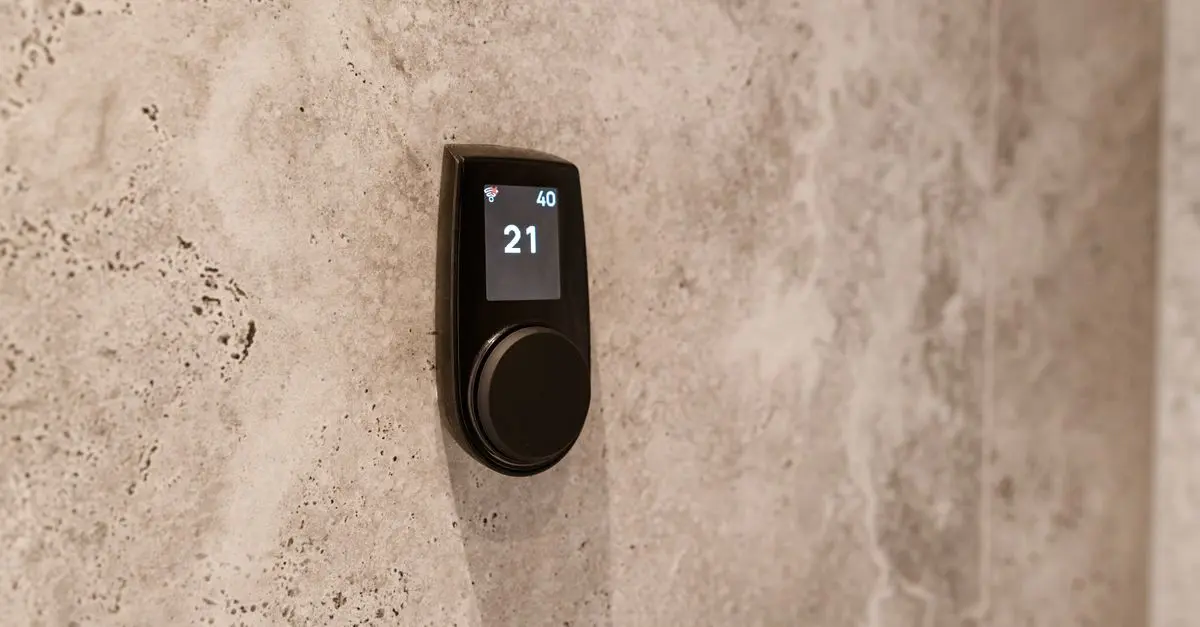
Smart device integration refers to the processes involved in connecting multiple smart devices and systems within a home to function together seamlessly. This integration encompasses a variety of devices, including smart thermostats, security cameras, smart speakers, and home automation systems.
Key benefits of effective smart device integration include:
- Increased Efficiency: Devices that work together can streamline tasks, such as adjusting the thermostat automatically when you leave for work.
- Enhanced User Experience: A unified system improves accessibility and control for users, often through a single app or voice command.
- Energy Savings: Integrated systems can intelligently manage energy usage, contributing to lower bills and a reduced carbon footprint.
According to a report by the Consumer Technology Association, the number of smart home devices in use is expected to double by 2026, indicating a growing reliance on these systems. With such growth, understanding how home tech experts facilitate integration becomes crucial.
The Process of Smart Device Integration
Step 1: Assessment
The integration process typically begins with a thorough assessment of the homeowner's needs and existing devices. Experts evaluate the current setup and identify compatibility issues, ensuring the proposed devices can integrate smoothly.
Step 2: Device Selection
Once the assessment is complete, experts recommend devices that align with the homeowner's goals. For instance, if energy efficiency is a priority, a smart thermostat might be suggested due to its features that optimize heating and cooling. During this stage, various product recommendations can be made based on requirements.
Step 3: Installation
Installation of the devices is a critical step where experts ensure that each device is optimally placed for connectivity and performance. This may involve hardware installation, software configuration, or both. For example, smart security cameras must be strategically positioned to cover entry points without blind spots.
Step 4: Configuration
Following installation, home tech experts configure the devices. This setup often includes grouping devices for easy control, customizing settings, and ensuring proper network connectivity. Configuration might also extend to integrating devices with voice assistants for hands-free operation.
Step 5: Testing and Education
Finally, thorough testing is conducted to guarantee that all devices communicate effectively. Homeowners are educated on how to use their integrated system, with demonstrations of voice controls, app functionality, and any unique features of their devices.

Kensington Pro Fit Ergo Wired Keyboard - keyboard - US - black Input Device
lenovo.com

Kensington Pro Fit Ergo Wireless Keyboard - keyboard - US - gray Input Device
lenovo.com
HOMEBAY 6-Tier L-Shaped Corner Bookshelf, Freestanding Wooden Bookcase with Anti-Drop Panel & Anti-Tip Device
bedbathandbeyond.com
Comparative Benefits of Different Smart Home Solutions
To better understand different smart device solutions, we can compare several popular integration services. Here’s a brief overview:
| Feature | Smart Home Hub | Direct App Control | Voice Assistant Integration | Multi-Vendor Support |
|---|---|---|---|---|
| Ease of Use | High | Medium | High | Medium |
| Customization | High | Low | Medium | High |
| Control Options | All-in-One | Device Specific | Voice | Limited |
| Price Range | $$$ | $$ | $$ | $$$ |
| Security Features | High | Medium | High | Variable |
Current Trends and Technologies in Smart Device Integration
Recent trends in smart device integration include increased focus on privacy and security enhancements, integration of AI for smarter decision-making, and the rising popularity of energy-efficient devices. According to J.D. Power, 45% of consumers express concerns about data security in smart homes. As a response, many manufacturers are implementing robust security measures and offering improved privacy features.
The trend towards interoperability among devices is also gaining traction. Systems that support multiple brands and technologies reduce concerns about compatibility and allow users to select products based on preference rather than restrictions. This is crucial for a future-proof smart home.
What devices can be integrated in a smart home?
Almost any smart device can be integrated, including lights, thermostats, security systems, and entertainment systems.
How can I ensure my devices are compatible?
Consulting with a home tech expert or checking compatibility specifications from manufacturers can provide clarity.
Is professional installation worth it?
Yes, especially for complex systems. Professionals can optimize device placement and ensure proper configuration for maximum benefit.
Can I add devices later?
Most integration systems allow for additional devices to be added over time, enabling you to expand your smart home as needed.
Checklist Before Integration
- [ ] Assess current device compatibility
- [ ] Define priorities and goals for integration
- [ ] Research recommended devices
- [ ] Choose a professional installation service
- [ ] Plan for testing and training
Glossary
| Term | Definition |
|---|---|
| Smart Home Hub | A central device that connects and manages communication among various smart devices. |
| Interoperability | The ability of different systems and devices to work together seamlessly. |
| Home Automation | The use of technology to control various home systems automatically or remotely. |
> 💡 Expert Opinion:
> The future of smart device integration lies in user-centered design. By prioritizing ease of use and functionality, technology can transform the way we interact with our homes for the better.
📺 For further insights: How to seamlessly integrate smart home devices, a comprehensive look at maximizing smart home efficiency. Search:
integrating smart home devices 2026.
📺 Pour aller plus loin : integrating smart home devices 2026 sur YouTube

Lush Living Finds Forearm Strengthening Device, Wrist Gyro Ball Power Trainer For Finger And Arm Muscle Strength blue
inspireuplift.com
Lush Living Finds Forearm Strengthening Device, Wrist Gyro Ball Power Trainer For Finger And Arm Muscle Strength black
inspireuplift.com
Recommended products
Selected by our experts

TheTouchPoint Solution™ TouchPoints Essentials Stress-Relief Wearable Device
sleeplay.com


PLAUD Inc. Plaud Note AI Voice Recorder, AI Note Taking Device, Transcribe & Summarize, Support 112 Languages, 64GB Navy Blue Digital Audio Recorder
plaud.ai

PLAUD Inc. Plaud Note AI Voice Recorder, AI Note Taking Device, Transcribe & Summarize, Support 112 Languages, 64GB Navy Blue Digital Audio Recorder
plaud.ai