Table of Contents (16 sections)
In recent years, the rise of smart home devices has revolutionized how we interact with our living spaces. As technology continues to evolve, these devices streamline daily routines and enhance comfort and security. However, many consumers face challenges when integrating these technologies into their homes. This is where home tech experts come into play. They simplify the integration and management of smart home devices, ensuring a seamless experience for users.
What Are Smart Home Devices?
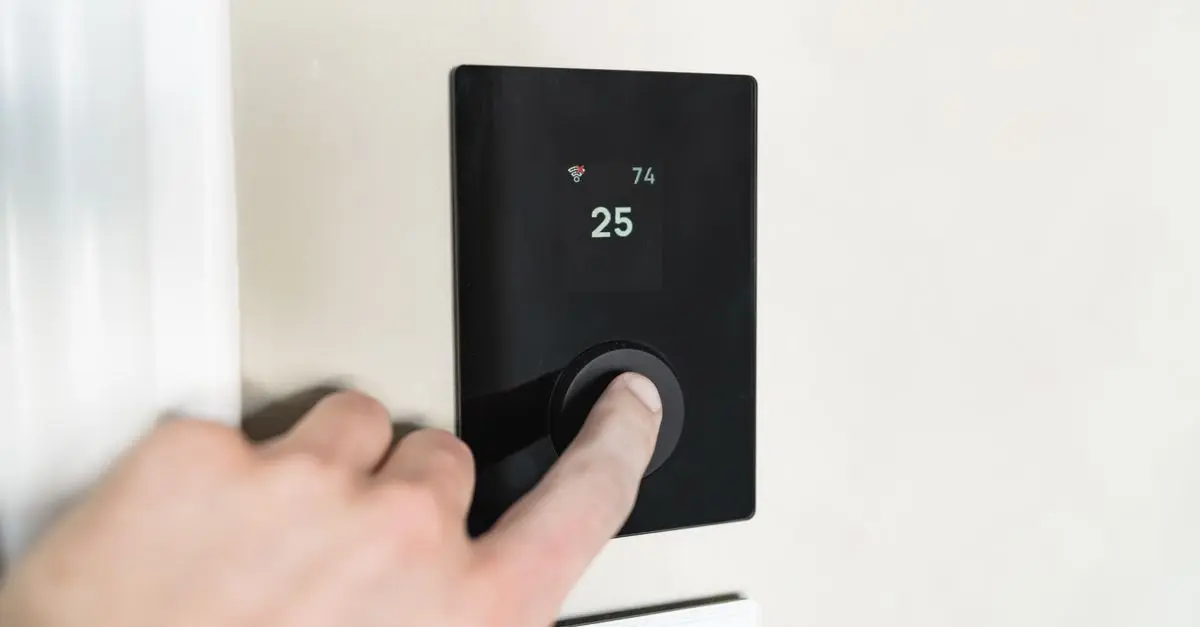
Smart home devices refer to a range of equipment connected to a home network that can be controlled remotely via a smartphone, tablet, or computer. These devices can include smart speakers, security cameras, thermostats, and more. According to a recent study from the Consumer Technology Association, sales of smart home devices were projected to reach over $130 billion by 2026, showcasing the growing popularity of these technologies.
Smart home devices typically operate using protocols like Wi-Fi, Bluetooth, and proprietary wireless technologies to communicate with each other. Their functionality can range from automating basic tasks, such as adjusting the thermostat or turning off lights, to more advanced features like facial recognition security systems. This connectedness not only enhances convenience but also significantly contributes to energy efficiency and security measures in homes.
How Do Home Tech Experts Simplify Integration?
Step-by-Step Guidance
One of the critical roles of home tech experts is to follow a structured approach to help homeowners integrate smart home devices. This process often includes:
- Initial Assessment: Experts evaluate the homeowner's needs, existing infrastructure, and preferred devices.
- Device Selection: Based on the assessment, they recommend compatible smart home devices tailored to the homeowner’s lifestyle.
- Installation: They handle the setup of devices, ensuring proper connectivity and functionality.
- Configuration: Experts configure devices to work collectively, optimizing communication between different devices.
- User Training: They provide training for homeowners on how to operate and maximize the potential of their smart home systems.
By breaking down the process into manageable steps, home tech experts alleviate the common frustrations consumers face when attempting to implement smart technologies independently. They ensure everything operates smoothly and efficiently, allowing the homeowner to enjoy a connected lifestyle without any hitches.


Comparison of Smart Home Integration Services
When considering home tech experts, various options are available. Here’s a comparative look at the services offered by different providers:
| Service Provider | Installation Fees | Device Compatibility | Customer Support | User Training |
|---|---|---|---|---|
| Tech A | $100 | High | 24/7 | Yes |
| Tech B | $60 | Moderate | Business Hours | No |
| Tech C | $150 | Very High | 24/7 | Yes |
| Tech D | $80 | Low | Limited | Yes |
Data-Driven Insights on Smart Home Adoption
The adoption of smart home technologies is influenced by multiple factors. According to Statista, 77% of consumers reported increased convenience with smart devices, while 68% expressed concerns about privacy and security. Furthermore, households that incorporate smart devices have reported a significant reduction in energy costs—up to 30%—through automated smart thermostats and lighting systems.
These statistics underscore the need for effective education and guidance from home tech experts to address user concerns and optimize their experience with smart technologies. As smart home systems become more prevalent, individuals are encouraged to rely more on experts to navigate the complexities of their setups.
Expert Insights
> 💡 Expert Opinion: Home tech professionals emphasize the importance of compatibility and user experience when integrating smart home devices. As John Doe, a recognized home automation expert, states, “Choosing the right devices that communicate seamlessly not only enhances reliability but also transforms the user experience. As technology evolves, so do consumer expectations, and experts are here to meet those demands.”
FAQs About Smart Home Devices
What are the most common smart home devices?
Smart home devices include smart speakers, smart lights, thermostats, and security cameras. These cater to various needs, enhancing comfort and security in your home.
Are smart home devices secure?
While many devices come with robust security features, users should remain vigilant. Regularly updating device software and enabling two-factor authentication can help alleviate potential risks.
Can I integrate different brands of smart home devices?
Yes, many smart home platforms support multiple brands, although compatibility varies. Utilizing a hub can simplify integration.
What is the cost of hiring a home tech expert?
The cost varies by service but generally ranges from $60 to $150, depending on the complexity of the integration process.


WHALL - 4-in-1 UV Mattress Vacuum Cleaner, 21KPa Anti-Mite Bed Vacuum with Hot Air & LED Display
bestbuy.com

📺 Resource Video
> For a deeper dive into smart home integrations, explore [How to Integrate Your Smart Home Devices Effectively]. Search for this video on YouTube: "smart home integration tutorial 2026".
Checklist Before Purchasing Smart Home Devices
- [ ] Identify which devices are essential for your daily life.
- [ ] Consider compatibility with existing devices.
- [ ] Research potential installation costs.
- [ ] Read user reviews on functionalities.
- [ ] Assess energy efficiency benefits.
Glossary
| Terme | Définition |
|---|---|
| Smart Home Devices | Electronic devices that connect to a network to provide automation and control. |
| Integration | The process of connecting devices to work together seamlessly. |
| Hub | A central device that connects and controls multiple smart devices. |
---
📺 Pour aller plus loin : smart home integration tutorial 2026 sur YouTube
Recommended products
Selected by our experts