Table of Contents (18 sections)
Smart home systems are rapidly becoming a staple in modern households, integrating technology into every aspect of daily living. With the availability of smart devices, homeowners can automate tasks, enhance security, and improve energy efficiency. In this article, we delve into the crucial components of smart home systems, addressing their functionalities, advantages, and how you can implement these technologies effectively.
What are Smart Home Systems?
Smart home systems, essentially, involve the use of interconnected devices that communicate over the internet, allowing homeowners to manage and monitor their home remotely. These systems can control various aspects of the home, including lighting, heating, security, and even appliances. According to a report from Statista, the global smart home market is expected to reach approximately $138.9 billion by 2026, reflecting the increasing demand for home automation and convenience.
The integration of smart home technology not only provides comfort but also promotes energy efficiency. For example, smart thermostats can learn the homeowner's habits and adjust temperatures accordingly, reducing energy consumption by up to 30%, as observed in various case studies.
Key Components of Smart Home Systems
1. Smart Hubs
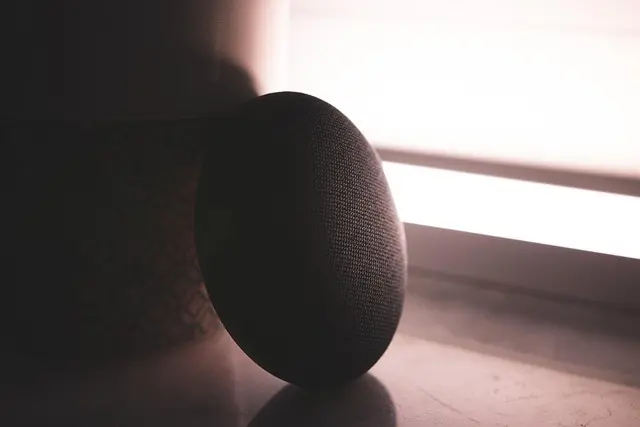
A smart hub acts as the central control unit for a smart home system. This device enables communication between various smart devices and systems in the home, creating a unified ecosystem. Without a smart hub, managing multiple devices can become cumbersome and inefficient. Popular smart hubs in 2026 can include platforms like Amazon Alexa, Google Home, and Apple HomeKit.
When selecting a hub, consider its compatibility with existing devices, ease of use, and the robustness of its ecosystem. For instance, a hub that supports a wide range of devices can be invaluable as you expand your smart home system. Some advanced models not only serve as a smart home controller but also offer additional functionalities like audio streaming or voice assistance.
2. Smart Lighting
Smart lighting solutions are one of the most popular and accessible components of smart home systems. They enable users to control their lighting through smartphones or voice commands, allowing for versatile and customizable environments. Smart bulbs can change colors and be dimmed according to moods or activities. Studies show that homes equipped with smart lighting see enhanced energy efficiency; for instance, using motion sensors can reduce unnecessary usage by automatically turning off lights when a room is unoccupied.
One of the significant advantages of smart lighting is its adaptability. Homeowners can set schedules for their lights or incorporate them into longer automation sequences, such as dimming lights when watching a movie. Additionally, smart lighting can be programmed to simulate presence, enhancing home security by creating an illusion of occupancy when residents are away.
3. Smart Security Systems
Security is a paramount concern for many homeowners, and smart home systems offer innovative solutions to enhance safety. Smart locks, cameras, and alarm systems allow for remote monitoring and control. Users can receive alerts on their smartphones if unusual activity is detected, providing peace of mind.
Smart security systems often feature advanced technologies such as facial recognition, night vision, and live streaming. According to UFC-Que Choisir, homes equipped with smart security devices can decrease property crime by as much as 25%, making them an effective measure against theft. When choosing a security system, consider factors like video quality, ease of installation, and integration with other smart home components.
4. Smart Thermostats and HVAC Systems
A smart thermostat is a fundamental component for improving energy efficiency in the home. Smart thermostats can learn your preferences, schedule heating/cooling around your routine, and adjust settings based on whether you are home. According to studies, smart thermostats can save homeowners an average of $180 per year on energy bills. This is achieved through better management of heating and cooling systems.
With features like geofencing, smart thermostats can automatically adjust settings based on your presence, ensuring comfort without wasting energy. Furthermore, many smart thermostats provide insights into energy usage, helping homeowners make informed decisions about their consumption.
5. Smart Appliances
In the realm of smart home systems, appliances like refrigerators, washing machines, and ovens are rapidly evolving. Smart appliances can communicate with each other and the user, offering enhanced functionalities such as remote monitoring, energy usage tracking, and real-time updates. For example, a smart refrigerator can notify you when supplies are low or suggest recipes based on available ingredients.
Not only do these appliances enhance convenience, but they also provide solutions for energy management. Smart washing machines can adjust their water and energy usage based on load size, leading to significant savings. The integration of IoT into household items is transforming everyday tasks, making them more efficient and environmentally friendly.


WHALL - 4-in-1 UV Mattress Vacuum Cleaner, 21KPa Anti-Mite Bed Vacuum with Hot Air & LED Display
bestbuy.com

Comparing Smart Home Solutions
| Component | Smart Hub | Smart Lighting | Smart Security | Smart Thermostats |
|---|---|---|---|---|
| Ease of use | High | Moderate | High | Moderate |
| Energy-efficient | No | Yes | Yes | Yes |
| Cost | Varies, generally low to high | Moderate | Moderate to high | Moderate |
| Integration | Wide range of compatibility | Limited to specific brands | Works well with most systems | Compatible with many devices |
Frequently Asked Questions (FAQ)
Q1: What are the benefits of smart home systems?
A1: Smart home systems offer enhanced convenience, improved energy efficiency, and increased security. By automating tasks and providing remote control capabilities, users can manage their homes more effectively.
Q2: How do smart home systems improve energy efficiency?
A2: By utilizing smart devices like thermostats and lighting that can be scheduled or controlled remotely, homeowners can reduce energy waste, leading to lower utility bills.
Q3: Can I install a smart home system myself?
A3: Many smart home devices are designed for easy DIY installation. However, complex systems may require professional help for optimal performance and integration.
Q4: Are smart home systems compatible with each other?
A4: Compatibility depends on the brands and protocols used. Most leading smart home hubs support a variety of devices from different manufacturers, ensuring seamless integration.
Glossary
| Term | Definition |
|---|---|
| Smart Hub | A device that connects and controls various smart home devices, allowing them to communicate. |
| IoT (Internet of Things) | Network of interconnected physical devices that communicate and exchange data via the Internet. |
| Geofencing | Technology that uses GPS or RFID to create a virtual boundary, triggering actions based on location. |
Checklist before buying a smart home system
- [ ] Assess your current home technology
- [ ] Determine compatible devices
- [ ] Research product reviews and expert opinions
- [ ] Set a budget for your smart home investment
- [ ] Evaluate energy savings potential

📺 For further exploration
Check out informative videos on smart home technology and setup tips. Search on YouTube: "smart home system setup 2026".
💡 Expert Opinion:
Investing in smart home technologies can seem daunting, but by taking a measured approach—starting with one or two key components—you can gradually enhance the efficiency and convenience of your home. Continuous advancements in technology ensure that these systems not only promote a better living experience but also provide significant cost savings in the long run.
Conclusion
With the rapid evolution of smart home technology, understanding the essential components of smart home systems is crucial for making informed decisions. Whether you're looking to enhance security, improve energy efficiency, or simply embrace modern conveniences, the right combination of smart devices can transform your living space into a truly intelligent home.
Discover our selected products below to kickstart your smart home transformation!
📺 Pour aller plus loin : smart home system setup 2026 sur YouTube
Recommended products
Selected by our experts


eufy Permanent Outdoor Lights S4 (150ft with 108 LED Lights) +Free eufy Outdoor String Lights E10 White
eufy.com

eufy FamiLock S3 Max + Video Doorbell E340 + eufy Smart Display E10 White
eufy.com