Table of Contents (14 sections)
Smart home technology continues to evolve, bringing ease and convenience to our daily lives. However, it also comes with numerous myths that often deter potential users. Understanding the truth behind these misconceptions is crucial for anyone looking to enhance their home with smart technology. In this article, we’ll debunk the 10 most common myths associated with smart home technology.
1. Smart Home Devices Are Only for Tech-Savvy Users
Many people believe that smart home technology is too complicated and only suitable for tech enthusiasts. This misconception overlooks the significant advancements made in user-friendly interfaces and voice controls. Today’s devices come equipped with simple setup wizards and intuitive mobile apps, making them accessible for everyone, regardless of their tech background. According to recent reports, about 40% of smart home device owners are first-time users with minimal technical knowledge. Whether it’s turning on lights or regulating your thermostat remotely, these devices are designed to simplify tasks rather than complicate them.
2. Smart Homes Are Too Expensive
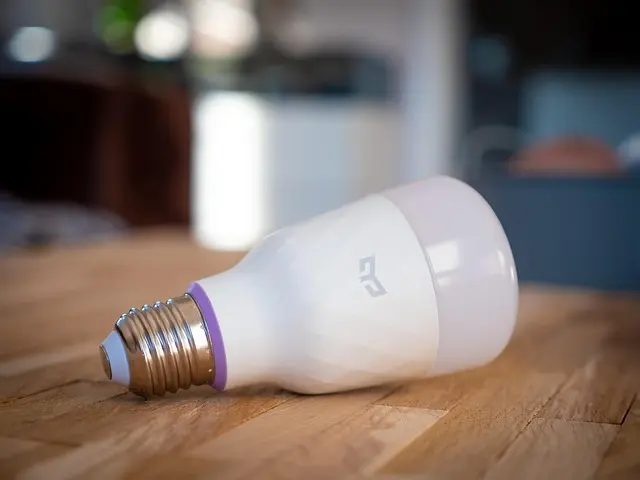
Investing in smart home technology doesn’t have to break the bank. While some high-end devices can be pricey, there’s a wide range of budget-friendly options available. For instance, smart plugs and light bulbs provide affordable entry points into home automation. A survey indicated that nearly 70% of users reported saving on energy bills after implementing basic smart home devices, ultimately offsetting the initial installation costs. Options exist for every budget, allowing consumers to choose gradually as they familiarize themselves with the technology.

Milwaukee Leather 7.4V Men's True All Seasons Leather Jacket with Heated and Cool Technology
thewarmingstore.com


3. They Compromise Your Privacy
Privacy concerns are prevalent regarding smart home technology. While it’s true that these devices collect data to function effectively, reputable brands employ robust encryption and privacy measures to safeguard user information. For instance, setting strong passwords and enabling two-factor authentication can significantly mitigate security risks. Additionally, every user has control over their data, including how it's stored and shared. Getting familiar with the privacy settings of your devices ensures that you can enjoy smart technology without compromising your privacy.
4. Smart Homes Have Poor Connectivity
Another widespread belief is that smart home devices often suffer from connectivity issues. While internet stability is crucial for their function, many devices are designed with fallbacks, such as local control options that allow them to operate even without internet access. Statistics show that most users experience reliable connections with their devices, as advancements in wireless technologies like Zigbee and Z-Wave improve communication between devices. Having a solid home network setup with a capable router can further enhance connectivity.
5. Smart Devices Run on Their Own
It’s a common misconception that smart home devices operate independently without any user input. In reality, these devices require initial settings to tailor their functionality to your lifestyle. Users must configure schedules, preferences, and rules, especially for automation features. For example, if you want your smart thermostat to adjust the temperature automatically, you'll need to set your desired temperatures and times. It's all about creating a personalized experience tailored to your preferences.
6. Smart Home Products Don’t Work Together
Many individuals think that smart home devices from different brands won’t work well with one another. However, platforms like Amazon Alexa, Google Assistant, and Apple HomeKit have facilitated increased compatibility among various devices. As of 2026, research highlights that over 85% of smart home gadgets on the market can integrate with at least one of these major platforms, allowing seamless interactions across devices from different manufacturers.
Samsung Laundry Dryer with AI Control and Heat Pump Technology in White(DV25FG62B0BEA2)
samsung.com

Samsung Front Load Washer & Dryer Set with Vibration Reduction Technology+ and Sensor Dry in White(BNDL-1603912197302)
samsung.com

BISSELL CleanView with OnePass Technology Plus Upright Bagless Vacuum Sienna 3583
bissell.com
7. They Are Only for Convenience, Not Security
Another myth suggests that smart home technologies only serve convenience without enhancing security. In fact, smart home devices significantly bolster home security through features like remote monitoring, motion detection, and automated alerts. For instance, smart locks provide encryption to secure access and allow remote locking or unlocking. According to security experts, homes equipped with smart security systems experience a reduction in break-ins by up to 30%. This proves that investing in smart technology can enhance your home's safety.
8. All Smart Devices Require a Subscription
A prevalent belief is that all smart home devices require ongoing subscription fees for premium features. While some services offer subscriptions for advanced functionalities, many smart devices operate without any subscription costs. For example, basic operations of smart lights and outlets do not incur any ongoing fees. It’s advisable to check each device’s features before purchasing to understand the costs associated with premium services, ensuring that you only pay for what you need.
9. Smart Home Tech Is Just a Fad
As technology evolves, some critics argue that smart home tech is merely a trend. To date, the smart home market has grown significantly, projected to surpass $300 billion globally by 2026, according to industry reports. This rapid growth indicates a lasting demand for home automation solutions that improve quality of life. Many homeowners are increasingly seeing smart technology as a standard rather than a luxury.
10. You Need to Replace Everything at Once
Lastly, potential users often think they must replace their entire home with smart devices simultaneously. In reality, smart technology can be introduced gradually. Start with one or two devices, such as smart bulbs or plugs, then expand as you become more comfortable with the technology. Experts recommend evaluating your needs before integrating further, allowing you to build a cohesive smart home over time.
Conclusion
Understanding the truth behind these smart home technology myths can empower you to make informed decisions. Smart home technology offers numerous benefits, from convenience to enhanced security, but your experience is only as good as your understanding and application of it. If you’re considering upgrading your home, take the time to explore the possibilities with confidence.
Checklist Before Upgrading to Smart Home Technology
- [ ] Research compatibility of devices.
- [ ] Set a budget for initial investment.
- [ ] Consider long-term benefits and potential savings.
- [ ] Review privacy settings of devices chosen.
- [ ] Start with one or two devices for gradual integration.
Glossary
| Term | Definition |
|---|
| Smart Home | A residence that uses smart devices to control and manage functions like lighting, heating, and security.
| IoT | Short for Internet of Things, a network of connected devices that communicate with each other.
| Home Automation | The control of home appliances and features via the internet for enhanced customization and ease of management.
📺 For further information: Understanding Smart Homes: a detailed exploration of integrating smart devices in your living space. Search YouTube for:
understanding smart home technology 2026.
🧠 Quick Quiz: What is the most common myth about smart home technology?
- A) They're too complicated.
- B) They can’t enhance security.
- C) They need subscriptions.
Answer: A — Many new users find them user-friendly.
📺 Pour aller plus loin : understanding smart home technology 2026 sur YouTube
Recommended products
Selected by our experts

Clinique Redness Solutions Makeup Broad Spectrum SPF 15 With Probiotic Technology, Calming Honey - 1 fl. oz./30 ml
clinique.com

PLAUD Inc. Plaud Note AI Voice Recorder, Voice Recorder w/Case, App Control, Transcribe & Summarize with AI Technology, Support 112 Languages, 64GB
plaud.ai
Nonin Medical NoninConnect™ Finger Pulse Oximeter with Bluetooth® Smart Wireless Technology
concordhealthsupply.com
Nonin Medical NoninConnect™ Finger Pulse Oximeter with Bluetooth® Smart Wireless Technology
concordhealthsupply.com

Plaud NotePin AI Voice Recorder, Voice Recorder with Neck Strap Lanyard, Transcribe & Summarize with AI Technology, 64GB Memory
plaud.ai