Table of Contents (15 sections)
- Introduction
- 1. Smart Thermostats: Efficient Climate Control
- 2. Solar Panels: Harnessing Sunlight
- 3. Energy-Efficient Lighting Solutions
- 4. Smart Water Management Systems
- 5. Eco-Friendly Appliances
- 6. Smart Power Strips
- 7. Smart Window Blinds and Shutters
- 8. Eco-Conscious Home Security Systems
- 9. Renewable Energy Storage Solutions
- FAQ
- Glossary
- Checklist Before Purchase
- 📺 Resource Video
Introduction
The concept of an eco-friendly smart home is an evolving trend in sustainable living. Integrating these technologies not only helps reduce the carbon footprint but also enhances energy efficiency and reduces utility bills. As we delve into 2026, the advanced technologies available can make your home smarter and more environmentally friendly.
1. Smart Thermostats: Efficient Climate Control
Smart thermostats like Nest and Ecobee provide precise control over your home's heating and cooling. These devices learn your schedule and preferences to adjust temperatures automatically, thereby optimizing energy use. According to a study by the Energy Trust of Oregon, smart thermostats can save up to 12% on heating bills and 15% on cooling. By incorporating real-time data and remote access via smartphones, smart thermostats ensure that you're only using the energy you need, when you need it. Consider how these features could substantially reduce your household's overall energy consumption.
2. Solar Panels: Harnessing Sunlight
Installing solar panels is a powerful step towards making your home eco-friendly. Leading manufacturers like SunPower and LG offer panels that convert sunlight into electricity, drastically lowering your dependence on fossil fuels. In states like California, incentives and tax credits make solar power an economically viable choice. The International Energy Agency predicts that solar power will account for one-third of global electricity production by 2026. With the price of photovoltaics decreasing, tapping into solar energy is not only environmentally logical but financially smart.
3. Energy-Efficient Lighting Solutions
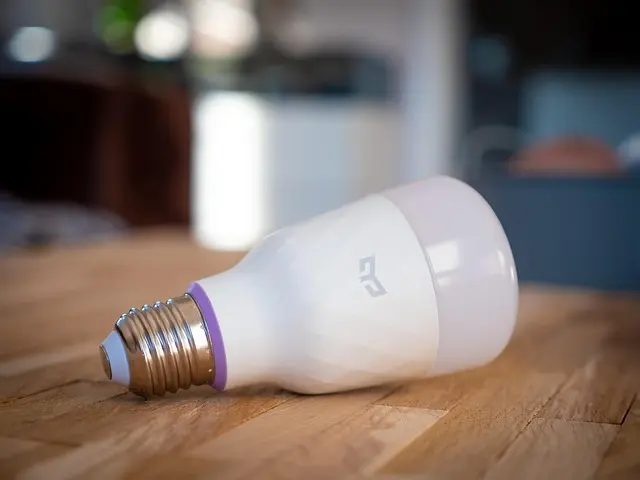
Switching to LED lighting is one of the simplest ways to enhance energy efficiency. Brands such as Philips and GE offer LEDs that use at least 75% less energy than traditional bulbs, lasting up to 25 times longer. What distinguishes smart lighting is its ability to be programmed via systems like Google Home or Amazon Alexa for brightness and color, adapting to daylight changes and personal preferences. By reducing unnecessary consumption, these solutions can meaningfully decrease energy usage in any household.
4. Smart Water Management Systems
Emerging smart water management systems help regulate and reduce water usage in homes. Devices like Rachio Smart Sprinklers and Phyn monitor leaks and optimize watering schedules for gardens and lawns. According to the EPA, such technology can save up to 15,000 gallons of water annually for an average household. Equipped with real-time alerts, these systems offer an effective way to conserve water, contributing to a greener home.
5. Eco-Friendly Appliances
Modern smart appliances prioritize energy efficiency alongside advanced features. Appliances from reputed brands like Samsung and LG are designed to consume less electricity while maintaining performance. Energy Star rated devices ensure compliance with the highest standards of operational efficiency. For example, smart refrigerators can adjust cooling settings remotely, and modern dishwashers ensure optimal water usage. These appliances represent a significant leap towards fostering a sustainable living environment.
6. Smart Power Strips
Smart power strips automatically shut off power to devices in standby mode, reducing phantom energy loss. Brands like Belkin and Kasa offer strips that can be controlled through smartphone apps, providing convenience and energy savings. The U.S. Department of Energy estimates that homes can reduce annual energy waste by up to $200 by eliminating standby power usage. Smart power strips are a simple yet effective way to cut down on unnecessary energy consumption, contributing to an eco-friendly home.
7. Smart Window Blinds and Shutters
Smart window treatments by companies such as Lutron and Somfy automatically adjust throughout the day based on sunlight, reducing the need for artificial lighting and heating/cooling adjustments. A study by the Lawrence Berkeley National Laboratory finds that these can lower cooling costs by up to 60% during summer months. Remote control capabilities further enhance usability, allowing homeowners to optimize natural light use efficiently.
8. Eco-Conscious Home Security Systems
Today's smart home security solutions prioritize eco-friendly designs without compromising on safety. Systems from ADT and Ring offer solar-powered cameras and battery-efficient sensors that reduce reliance on electricity grids. These systems provide enhanced security while maintaining alignment with eco-friendly principles, allowing for sustainable choices even in home protection.
9. Renewable Energy Storage Solutions
Energy storage solutions such as home batteries from Tesla (Powerwall) allow households to store solar energy for use during peak times or outages. These storage systems enhance the efficiency of home energy use significantly by making the most of generated solar power, aligning with the growing emphasis on renewable energy. As reported by Bloomberg New Energy Finance, residential energy storage installations are expected to triple by 2026, highlighting their increasing relevance in smart homes.
📺 Resource Video
> 📺 For Further Insight: Comprehensive Guide to Building a Smart Eco-Friendly Home, explore the diverse technologies discussed. Search on YouTube: "eco-friendly smart home technology 2026"
- What are the best eco-friendly technologies for a smart home?
Technologies such as smart thermostats, solar panels, LED lighting, and energy-efficient appliances are well-regarded.
- How do smart thermostats save energy?
They optimize heating and cooling based on real-time data and user habits, reducing unnecessary energy use.
- Are solar panels worth the investment?
Yes, with tax incentives and decreased costs, they can significantly reduce energy bills and increase home value.
- What is an example of a smart water management system?
Systems like Rachio Smart Sprinklers monitor and optimize garden watering, reducing waste.
Glossary
| Terme | Définition |
|---|---|
| Smart Thermostat | A device that controls heating and cooling systems to optimize efficiency. |
| Phantom Energy | Energy consumed by devices when they are turned off but still plugged in. |
| Photovoltaics | Technology that converts sunlight directly into electricity through solar panels. |
Checklist Before Purchase
- [ ] Evaluate energy consumption of current home devices.
- [ ] Research smart thermostats compatible with your HVAC system.
- [ ] Assess solar panel incentives available in your area.
- [ ] Consider LED lighting options for all fixtures.
- [ ] Determine water management needs with existing systems.
🧠 Quiz rapide : Which of these reduces energy via standby power management?
- A) Smart Thermostats
- B) Smart Power Strips
- C) LED Lighting
Réponse : B — Smart power strips reduce energy by shutting down devices in standby mode.