Table of Contents (14 sections)
In the ever-evolving world of smart devices, understanding how to evaluate smart devices is essential for homeowners. With countless options available, home tech experts play a crucial role in guiding consumers. This article explores how these experts assess, recommend, and help you navigate the complexities of smart technology to make informed choices for your home.
What Are Smart Devices?
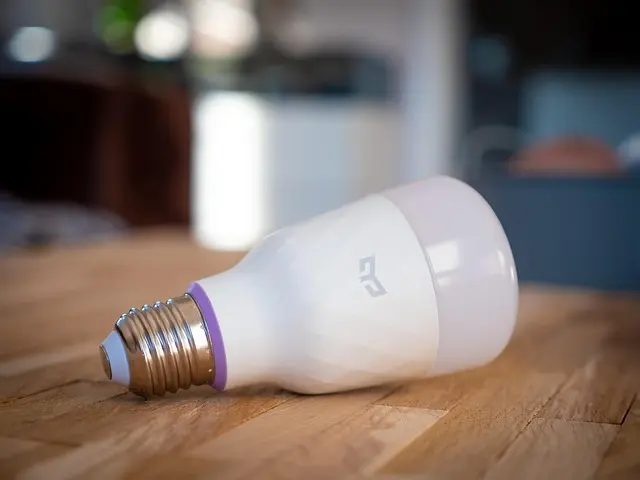
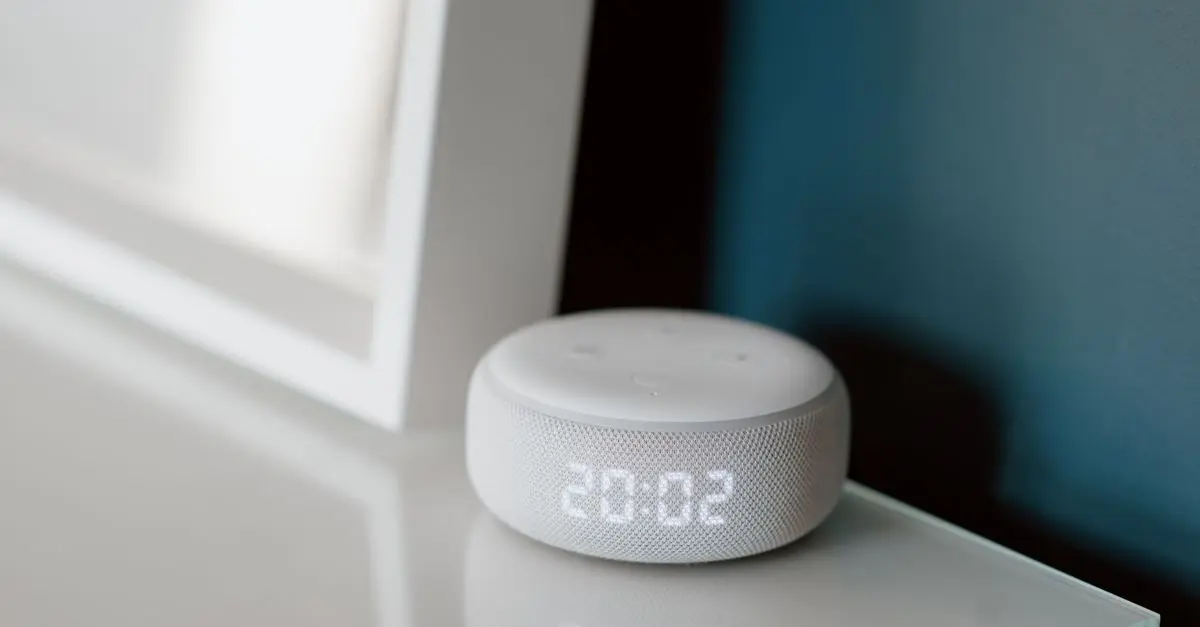
Smart devices are internet-connected gadgets that collect, send, and act on data to enhance user convenience and efficiency. They can range from smart bulbs that change colors at your command to smart thermostats that learn your heating preferences. According to a report by Statista, the global smart home market is projected to reach approximately $174 billion by 2026, highlighting the growing interest in these technologies. However, the abundance of information can be overwhelming, making it crucial to rely on home tech experts who can simplify the decision-making process.
These experts assess devices based on criteria such as compatibility, user-friendliness, price point, and overall functionality. By focusing on real user experiences and the efficiency of devices, they provide invaluable insights that can ease the complexity of selecting the right tech for your home.
How Do Home Tech Experts Evaluate Smart Devices?
Home tech experts employ a systematic approach when evaluating smart devices. Here’s a step-by-step breakdown of their method:
- Needs Assessment: The first step involves understanding the homeowner's specific needs, such as which areas of the home require automation. This could range from improving security through smart cameras to enhancing comfort with smart lighting.
- Compatibility Check: Next, experts ensure the devices are compatible with existing ecosystems, such as Amazon Alexa, Google Assistant, or Apple HomeKit. They understand that a seamless integration is vital for functionality and convenience.
- Performance Testing: Each device is rigorously tested for reliability and efficiency. Tech experts often conduct performance benchmarks and user experience assessments, ensuring devices respond correctly and efficiently to commands.
- User Reviews and Feedback: They analyze user reviews from platforms like UFC-Que Choisir and Les Numériques to gather real-world insights. This helps gauge long-term performance and customer satisfaction.
- Cost Analysis: A thorough examination of the price-to-performance ratio allows experts to recommend devices that provide maximum value without compromising quality.
Comparing Smart Devices: A Practical Guide
To illustrate the effectiveness of expert evaluations, here is a comparative analysis of three types of smart devices you might consider:
| Feature | Smart Bulb A | Smart Thermostat B | Smart Security C |
|---|---|---|---|
| Compatibility | Alexa, Google | Alexa, HomeKit | Google, HomeKit |
| Energy Efficiency Rating | A+ | A++ | B |
| Price Range (USD) | $15 - $40 | $150 - $250 | $100 - $300 |
| Installation Ease | Very Easy | Moderate | Requires Professional |
| Verdict | Great for beginners | Best for efficiency | Best for comprehensive security |
Trends in Smart Device Adoption
According to research by Gartner, nearly 75% of households are projected to own at least one smart home device by 2026. The increase in remote work and the desire for home automation are significant drivers for this trend. Many consumers now prioritize comfort and security, which further highlights the importance of expert guidance.
As smart home devices become more integrated into daily life, understanding their capabilities and limitations becomes even more critical. Home tech experts not only provide insights into current trends but also predict future advancements in technology, ensuring you remain ahead of the curve.
Expert Insights: Best Practices for Device Selection
> 💡 Expert Opinion: Choosing the right smart devices requires critical thinking. Always evaluate what you need, not just what you want. Consider buying multipurpose devices to reduce clutter and enhance functionality.
When selecting smart devices, keep the following tips in mind:
- Research Brands: Rely on established brands known for quality. Brands like Philips Hue, Nest, and Ring have built solid reputations backed by consumer satisfaction.
- Read Trustworthy Reviews: Look for detailed evaluations from websites like 60 Millions de Consommateurs and Les Numériques. Their insights can illuminate product strengths and weaknesses.
- Ask the Experts: Don’t hesitate to consult a home tech expert. Their advice can save you time and ensure you make wise investments.
📺 For More Insights:
Explore comprehensive reviews and comparisons of various smart devices, searching for keywords like “smart home device reviews 2026” on YouTube!
Frequently Asked Questions
What should I consider before buying a smart device?
Consider compatibility, user experience, and how it fits into your existing ecosystem. Research customer reviews to understand real-world performance.
Are smart devices secure?
Most reputable brands invest significantly in security measures, but it is essential to regularly update your device firmware and use strong passwords.
How do smart devices communicate with each other?
Most smart devices communicate over Wi-Fi or Bluetooth and often use protocols like Zigbee or Z-Wave for local networking between devices.
Can I control all my smart devices from one app?
Many smart devices can be integrated into a single app, like Google Home or Amazon Alexa, allowing for seamless control.
Checklist Before Purchase
- [ ] Assess your home automation needs.
- [ ] Research compatible smart device ecosystems.
- [ ] Check warranty and customer service ratings.
- [ ] Look for energy-efficient options.
- [ ] Read reviews from reputable sources.
Glossary
| Term | Definition |
|---|---|
| Smart Home | A residence equipped with devices that automate various tasks and can typically be controlled remotely. |
| IoT | The Internet of Things, a network of internet-connected devices that communicate with each other. |
| Compatibility | The ability of a device to work with other devices or software effectively. |
---
📺 Pour aller plus loin : smart home device reviews 2026 sur YouTube