Table of Contents (11 sections)
In today's tech-savvy world, smart home devices are gaining popularity as they enhance convenience, security, and energy efficiency. However, with a plethora of options available, how do you choose the best smart home devices for your unique needs? This guide will walk you through the process step-by-step.
1. Identify Your Needs and Goals
Before diving into the sea of best smart home devices, start by identifying your specific needs and goals. Consider what areas of your home you want to automate. Is it security, lighting, climate control, or entertainment?
For example, if you travel frequently, prioritizing security devices like smart cameras and locks should be your focus. Alternatively, if energy efficiency is your goal, smart thermostats and lighting systems could be crucial. According to a survey conducted by the Home Automation Association in 2025, about 56% of homeowners noted enhanced comfort and convenience as a key motivation for adopting smart technology. Therefore, understanding your primary objective can effectively narrow down your choices.
Pro Tip: Make a list of functionalities you find essential, such as voice control compatibility, integration with existing devices, or mobile app accessibility. This checklist will serve as a guide during your comparison process.
2. Research Compatible Systems and Ecosystems
Next, it’s vital to investigate the ecosystems your selected devices will operate within. Many smart home devices are designed to work seamlessly within specific ecosystems like Amazon Alexa, Google Assistant, or Apple HomeKit. These ecosystems not only enhance user experience but also ensure compatibility between devices.
For instance, if you already own an Amazon Echo, choosing smart speakers and lights that are Alexa-compatible will provide you with a more cohesive experience. Alternatively, if you prefer using Apple products, devices that integrate with HomeKit can offer value, especially since Apple emphasizes security and privacy in their device integrations.
Common Pitfalls: Avoid mixing ecosystems unless explicitly stated. This can lead to compatibility issues and create an inefficient user experience.
3. Evaluate Device Types and Features
Once you've determined your goals and ecosystem, it's time to delve into the specifics of device types and features. Best smart home devices often include:
- Smart speakers: These serve as hubs and allow for voice commands.
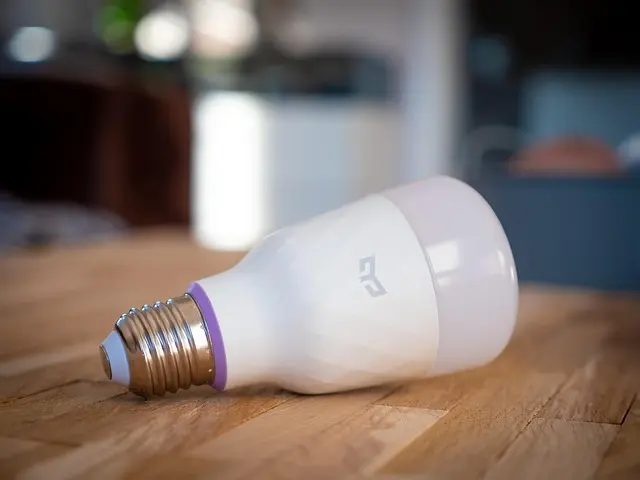
- Smart bulbs: Adjustable light settings and schedules.
- Smart locks: Enhancements in home security.
- Smart cameras: Monitoring via smartphone apps.
When evaluating specific features, consider the following:
- Ease of installation: Some devices require professional installation, while others offer simple DIY setups.
- User interface: The device should be user-friendly, intuitive, and accessible.
- Customization options: The ability to set routines or customized schedules can significantly enhance functionality.
According to a report by UFC-Que Choisir, 74% of users highlighted ease of use as a top feature they value in smart devices, so prioritize those that offer enhanced usability.
4. Compare Prices and Budget Accordingly
Budgeting can be a decisive factor in choosing the best smart home devices. Understand that smart devices can range from affordable options to high-end systems totaling thousands of dollars.
Create a budget based on your financial limits, keeping in mind that certain devices might require subscriptions for full functionality. For example, many smart security cameras need a monthly fee for cloud storage of recorded footage. Also, don't forget the potential savings in energy costs associated with products such as smart thermostats.
Price Comparison Table
| Device Type | Average Price Range | Features Included | Verdict |
|---|---|---|---|
| Smart Thermostat | $100 - $300 | Remote access, energy saving modes | Essential for savings |
| Smart Security Camera | $50 - $600 | Motion detection, cloud storage | Crucial for security |
| Smart Light Bulb | $10 - $100 | Color changing, dimmable options | Great for ambiance |
| Smart Speaker | $50 - $250 | Voice controls, streaming capabilities | Excellent for integration |
5. Check Reviews and Ratings
Once you've zeroed in on devices that fit your criteria, it's critical to read user reviews and ratings. Reviews can reveal insights into how well a device performs in real-world scenarios. Notably, platforms like Les Numériques frequently conduct comprehensive product testing that can guide your decision.
Pay attention to both general trends in feedback as well as specific pain points reported by users. For instance, many users complain about the integration issues or malfunctions after a few months of usage. This type of feedback can help you avoid purchasing devices with recurrent problems.
Expert Insight:
> 💡 Expert Opinion: Check forums and community discussions. Often, these platforms can provide unexpected insights or lesser-known alternatives that might better suit your needs.
6. Integration with Other Devices
The best smart home devices should easily integrate into your existing setup. Always ensure that the devices you choose can work together without major hurdles. For example, your smart lock should comfortably integrate with your smart home hub or security system.
Additionally, take advantage of apps that can house multiple smart devices. IFTTT (If This Then That) is a popular service that lets users create automation recipes that connect devices in unique ways. For example, you can set your lights to turn on when your smart lock is unlocked.
Final Tip: Opt for devices that can be updated regularly over time. This flexibility ensures your devices will remain compatible with evolving technology.
📺 Resource Video
> 📺 For more insights: Learn how to choose the best smart home devices, covering everything from security to convenience. Search on YouTube: “how to choose the best smart home devices 2026.”
Checklist before Purchase
- [ ] Identify your needs and goals
- [ ] Research compatible systems
- [ ] Evaluate device types and features
- [ ] Establish a budget
- [ ] Read reviews and ratings
- [ ] Check integration options


Wibo I Choose What I Want Eyeshadow 2 Silk Umber 20g
DocMorris FR (ex DoctiPharma FR)

Wibo I Choose What I Want Eyeshadow 3 Burnt Orange 20g
DocMorris FR (ex DoctiPharma FR)
Glossary
| Term | Definition |
|---|---|
| Smart Home Hub | A device that connects and manages smart devices in a home. |
| Voice Assistant | A digital assistant, like Alexa or Google Assistant, that responds to voice commands. |
| Home Automation | The integration of technology into home systems to increase efficiency and security. |
---
📺 Pour aller plus loin : how to choose the best smart home devices 2026 sur YouTube
Recommended products
Selected by our experts
Wibo I Choose What I Want Eyeshadow 2 Silk Umber 20g
DocMorris FR (ex DoctiPharma FR)
Wibo I Choose What I Want Eyeshadow 3 Burnt Orange 20g
DocMorris FR (ex DoctiPharma FR)

Wibo I Choose What I Want Eyeshadow 5 Sugar Coral 20g
DocMorris FR (ex DoctiPharma FR)

Wibo I Choose To Bounce Highlighter 02 Million Dollar 3g
DocMorris FR (ex DoctiPharma FR)

Pranarom Coffret Diffusion Choose Your Vibe 3 Synergies Bio 3x5ml
DocMorris FR (ex DoctiPharma FR)