Table of Contents (17 sections)
In recent years, smart home technology has transformed the way we live, offering numerous benefits that enhance our everyday comfort and efficiency. Smart home technology refers to the interconnected devices and systems that allow homeowners to manage their homes remotely, contributing to a higher quality of life. The advantages range from improved security, energy efficiency, to convenience, significantly changing how we interact with our living space.
With the Internet of Things (IoT) at the forefront of smart home innovation, everyday devices such as thermostats, lights, and even kitchen appliances can now be connected to the internet. This connection enables users to control them via smartphones or voice-activated assistants. According to a report by Statista, 46% of U.S. households incorporated some form of smart technology by 2025, showcasing a significant shift in consumer behavior towards adopting smart solutions.
Greater Convenience
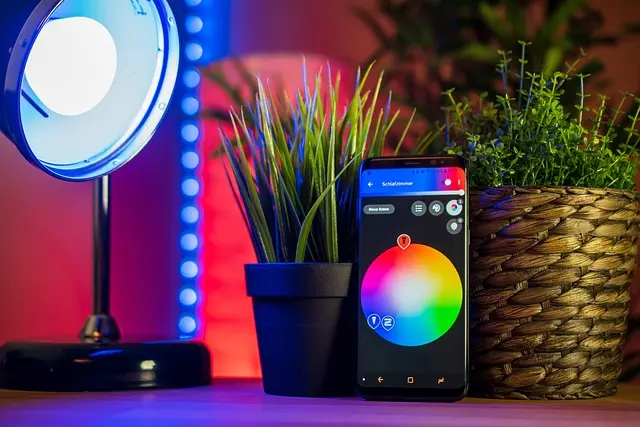
One of the most immediate benefits of smart home technology is the convenience it offers. Imagine coming home after a long day at work, and your home is already set to your preferred temperature, the lights are automatically adjusted, and your favorite playlist is playing. With smart devices, home automation is not just a dream; it’s a reality. You can control everything from heating and cooling to lighting and entertainment systems with just a few taps on your smartphone.
Automated Routines
Using smart technology, homeowners can create automated routines that suit their lifestyle. For example, using motion sensors, lights can automatically turn on as you enter a room. You can program your smart coffee maker to brew a fresh cup at 7 am precisely, or set the thermostat to adjust the temperature before you arrive home. These conveniences not only enhance comfort but also save you time and energy. In fact, a study from Consumer Technology Association found that smart home users reported a 20-30% decrease in time spent managing everyday tasks due to automation.
Improved Energy Efficiency
Smart home technology benefits extend beyond convenience into environmental consciousness. Smart devices, such as thermostats, can learn your habits and optimize heating and cooling, reducing energy wastage. For instance, by utilizing a smart thermostat, you can save up to 10-12% on heating and cooling costs annually, according to the U.S. Department of Energy.
Monitoring Energy Use
Moreover, smart meters allow homeowners to track their energy consumption in real time, helping them understand and modify their energy habits. This level of monitoring can lead to significant savings in monthly bills. In a world where climate change is of increasing concern, being able to minimize your carbon footprint through smart technology is a substantial benefit.


Clinique Redness Solutions Makeup Broad Spectrum SPF 15 With Probiotic Technology, Calming Honey - 1 fl. oz./30 ml
clinique.com

Samsung Front Load Washer & Dryer Set with Vibration Reduction Technology+ and Sensor Dry in White(BNDL-1603912197302)
samsung.com
Enhanced Security
Another significant advantage of smart home technology is security. Smart security systems and cameras provide homeowners peace of mind by allowing them to monitor their property from anywhere. You can receive alerts straight to your smartphone if unusual activity is detected or if a door was left ajar. These systems can integrate with other smart devices, such as lights and locks, to create a comprehensive security network.
Real-Time Monitoring
For example, smart doorbells equipped with cameras allow you to see and communicate with visitors remotely. This not only adds a layer of security but also enhances convenience when you're busy or on the go. The National Council for Home Safety and Security reports that homes with security systems are three times less likely to be broken into, proving the effectiveness of investing in smart technology for home security.
Cost Savings on Everyday Devices
Integrating smart technology can lead to reduced costs not just in energy bills but across various aspects of home management. Many smart appliances are designed with energy efficiency in mind. Energy-efficient washers, dryers, and refrigerators not only help the environment but also reduce overall household expenses over time.
Long-Term Investment
For instance, many consumers have reported substantial savings after switching to smart appliances. While the initial investment may be higher, the long-term savings in energy usage and durability can render these devices much more cost-effective than traditional appliances. In fact, according to an analysis from Energy Star, Energy Star-certified products can save homeowners approximately $300 a year on energy costs.
Frequently Asked Questions (FAQ)
What is smart home technology?
Smart home technology refers to devices connected to the internet that allow for remote management and monitoring.
How can I start building my smart home?
Begin by choosing a central hub, like a smart speaker, and gradually add devices based on your needs, such as smart lights or thermostats.
Are smart homes safe?
While smart homes have security vulnerabilities, using strong passwords and regular software updates can significantly enhance safety.
What are the most popular smart home devices?
Commonly used devices include smart thermostats, security cameras, lighting systems, and smart speakers for control and automation.
Checklist before purchasing smart home devices
- [ ] Determine the primary need (security, efficiency, etc.)
- [ ] Research compatibility with existing devices
- [ ] Consider installation requirements and costs
- [ ] Read user reviews and expert opinions
- [ ] Check for energy efficiency ratings

Milwaukee Leather 7.4V Men's True All Seasons Leather Jacket with Heated and Cool Technology
thewarmingstore.com


Glossary
| Term | Definition |
|---|---|
| Smart Home | A residence equipped with devices that automate tasks and allow for remote monitoring/control. |
| IoT | The interconnection of computing devices within the internet, allowing them to send and receive data. |
| Home Automation | The use of technology to control home systems and appliances for increased comfort, efficiency, and security. |
> 💡 Expert Opinion: Smart home technology not only simplifies daily routines but also leads to savings on utility bills and increases your home's value over time. Homeowners are increasingly looking to integrate sustainable tech into their lifestyles.
📺 For more: The latest smart home devices to improve your lifestyle, explore detailed reviews and comparisons. Look up “best smart home gadgets 2026” on YouTube for insightful content.
Recommended Products
- - - Embark on the smart home journey to elevate your living experience!
📺 Pour aller plus loin : best smart home gadgets 2026 sur YouTube
Recommended products
Selected by our experts
Samsung Laundry Dryer with AI Control and Heat Pump Technology in White(DV25FG62B0BEA2)
samsung.com

BISSELL CleanView with OnePass Technology Plus Upright Bagless Vacuum Sienna 3583
bissell.com

PLAUD Inc. Plaud Note AI Voice Recorder, Voice Recorder w/Case, App Control, Transcribe & Summarize with AI Technology, Support 112 Languages, 64GB
plaud.ai
Nonin Medical NoninConnect™ Finger Pulse Oximeter with Bluetooth® Smart Wireless Technology
concordhealthsupply.com
Nonin Medical NoninConnect™ Finger Pulse Oximeter with Bluetooth® Smart Wireless Technology
concordhealthsupply.com