Table of Contents (14 sections)
Introduction
In recent years, smart home technology has evolved dramatically. Choosing smart home devices can sometimes feel overwhelming, given the variety of options available on the market. However, making thoughtful and informed decisions can significantly enhance your quality of life, streamline your daily routines, and even save you money on utility bills. This guide will walk you through the essential steps you need to follow when selecting smart home devices tailored to your needs.
1. Define Your Needs and Goals
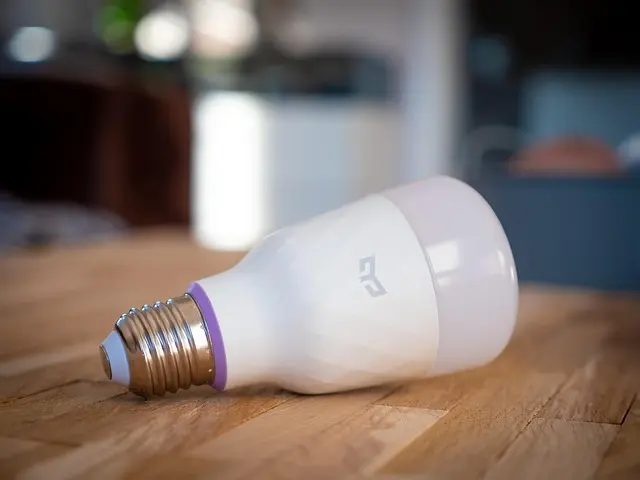
Before diving into the world of smart home tech, take a moment to assess what you want to achieve. Are you looking to enhance security, improve energy efficiency, or simply add convenience to your daily routine? For example, if security is a priority, you might lean toward smart cameras or doorbell cameras. On the other hand, if energy savings are your goal, consider smart thermostats or energy-efficient smart lighting. Approaching your smart home setup with clear objectives will help you prioritize your purchases and avoid buying unnecessary devices.
💡 Expert Opinion: Identifying your goals can save you time and money. Focus on devices that directly enhance your everyday life.
2. Research and Compare Devices
With your needs outlined, it's time to research various smart home devices. Look for reviews from trusted sources such as UFC-Que Choisir or Les Numériques. Compare different brands and models that fit your criteria. Many websites offer comparison charts, which can help you visualize the strengths and weaknesses of each product.
Common Comparison Factors:
- Features: What standout functions does the device offer?
- Compatibility: Will it work seamlessly with your current system?
- Price: Does the cost align with your budget?
- Reviews: What have other users experienced?
3. Check for Compatibility with Your Existing Devices
One of the crucial aspects of choosing smart home devices is ensuring they are compatible with your existing systems. If you have a specific ecosystem, like Amazon Alexa, Google Assistant, or Apple HomeKit, ensure your new devices can integrate smoothly. Brands like Philips Hue for lighting or Nest for thermostats typically provide models that interact well with these ecosystems, enhancing your home automation experience.
💡 Pro Tip: Always verify compatibility on the manufacturer's website before purchasing.
4. Budget Your Purchases Wisely
Smart home devices can vary widely in price. Set a realistic budget that reflects your goals but also leaves room for quality. Some high-end features may not be necessary for your specific needs, and spending within a reasonable range can help you avoid buyers' remorse. For instance, smart security cameras can range from $50 to over $300. Weigh the benefits of various options to find the right balance between affordability and functionality.
5. Read User Reviews and Expert Opinions
User reviews provide invaluable insights. They often highlight aspects that may not be discussed in product descriptions, such as ease of installation or customer service experiences. Look for reviews on reputable sites or forums. According to 60 Millions de Consommateurs, user feedback can indicate the longevity and reliability of a device long after the initial purchase.
6. Evaluate Long-term Support and Updates
Ensure that the devices you invest in will receive updates and support from the manufacturers. This is crucial for long-term security and functionality. Devices that receive regular software updates will likely have enhanced security features, preventing potential vulnerabilities. Brands known for their customer support include Ring, August, and Ecobee.
💡 Expert Insight: A product with robust customer support and frequent updates will pay off in the long run.
7. Take Installation and Set-Up into Account
Many smart home devices offer DIY installation, but some may require professional setup. Assess your comfort level with technology and consider whether you might need assistance. Establishing a secure connection to your home network is paramount for functionality. Review the installation process before purchase—complex setups may lead to frustration and poor performance if not properly executed.
8. Learn About Privacy and Security Concerns
Lastly, always consider privacy issues associated with smart home devices. Some devices collect data about your habits, which could lead to privacy concerns. Research privacy policies; brands like Arlo and Ring have been noted for their transparency regarding user data. Take necessary precautions, such as regularly updating software and changing passwords.
Checklist before Purchase
- [ ] Define your smart home goals.
- [ ] Research various brands and models.
- [ ] Check compatibility with existing devices.
- [ ] Set a realistic budget.
- [ ] Read user reviews and expert opinions.
- [ ] Ensure long-term support and updates are available.
- [ ] Assess installation complexity.
- [ ] Understand privacy policies and concerns.
📺 Resource Video
To go further: Watch A Comprehensive Guide on Choosing Smart Home Devices for an in-depth analysis of the subject. Search on YouTube: how to choose smart home devices 2026.
Glossary
| Term | Definition |
|---|
| Smart Home | A residence that uses smart devices and systems for automation and remote control of various functions.
| Ecosystem | A network of interconnected smart devices that work together, often centering around a single smart home platform.
| IoT (Internet of Things) | The concept of everyday objects being connected to the internet, allowing them to send and receive data.
Quiz Quick
> 🧠 Quick Quiz: What should be your top priority when choosing smart home devices?
> - A) Price
> - B) Compatibility
> - C) Reviews
> Answer: B — Ensuring compatibility with your existing systems is crucial for a seamless experience.
Choosing smart home devices need not be an overwhelming task. With this comprehensive guide and checklist, you will be well-equipped to make informed decisions that align with your lifestyle and needs. Embrace the future of technology and the comforts of a smart home to enhance your everyday life.
📺 Pour aller plus loin : how to choose smart home devices 2026 sur YouTube