Table of Contents (16 sections)
What is Smart Home Technology?
Smart home technology refers to devices and systems that connect to the internet, enabling remote management and monitoring of household appliances and systems. These technologies encompass everything from connected lighting and security systems to smart thermostats and kitchen appliances. According to Statista, the global smart home market is expected to grow significantly, reaching approximately $174 billion by 2026. The appeal lies in the convenience, efficiency, and enhanced security that these technologies offer, ultimately contributing to a more comfortable living environment.
Step-by-Step Guide to Implementing Smart Homes
Implementing smart home technology can initially seem daunting, but following a few simple steps can make the process smoother and more efficient.
- Evaluate Your Needs: Identify which areas of your home require automation or monitoring. This could range from security to energy management.
- Research Products: Investigate reliable brands and products that suit your requirements. Look for user reviews and professional ratings to make informed choices.
- Create a Smart Home Hub: Centralize control by creating a smart home hub that connects all devices. Popular options include voice assistants like Amazon Alexa or Google Assistant.
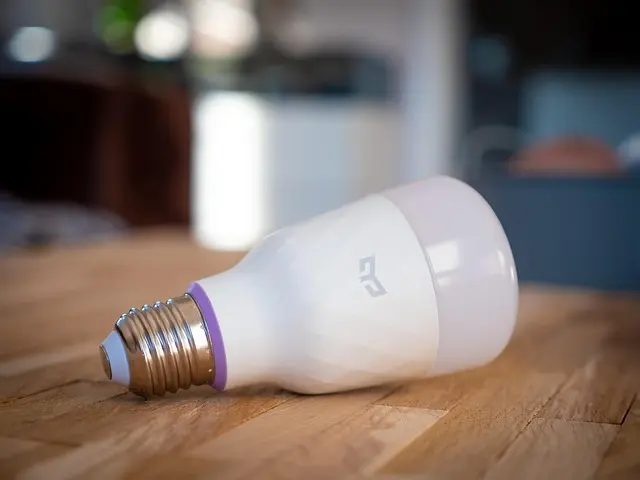
- Install Devices: Start with easy-to-install devices like smart bulbs and outlets before progressing to complex systems like smart thermostats or video doorbells.
- Test and Adjust: After installation, regularly test devices and adjust settings to ensure they operate efficiently and suit your lifestyle.
By following these steps, homeowners can gradually transition into smart living, reaping all the benefits of modern technology.

Samsung Laundry Dryer with AI Control and Heat Pump Technology in White(DV25FG62B0BEA2)
samsung.com

BISSELL CleanView with OnePass Technology Plus Upright Bagless Vacuum Sienna 3583
bissell.com
Comparative Analysis of Smart Home Devices
| Device Type | Smart Thermostats | Smart Security Cameras | Smart Lighting |
|---|---|---|---|
| Installation | Easy | Moderate | Easy |
| Cost | Moderate | High | Low to Moderate |
| Energy Savings | High | Low | None |
| Remote Access | Yes | Yes | Yes |
| User Reviews | Positive | Mixed | Positive |
In this comparison, we see how costs and benefits vary among different categories of smart home devices. Smart thermostats often yield high energy savings and are relatively simple to install, making them an attractive option for many homeowners. Security cameras, while beneficial for safety, possess higher costs and installation complexity, leading to mixed reviews from users.
Detailed Analysis of Current Trends
1. Increased Interoperability
Smart home devices are increasingly designed to work seamlessly together, regardless of the manufacturer. This trend enhances user experience by allowing for better integration and control. As reported by UFC-Que Choisir, interoperability can influence the purchasing decisions of smart home users. Products that connect easily to existing systems appeal to new adopters who prioritize ease of use.
2. AI Integration and Personalization
Artificial Intelligence (AI) is redefining how users interact with their smart homes. For instance, devices are being equipped with algorithms that learn user behavior over time, leading to personalized experiences. A recent study by The Consumer Technology Association reveals that 62% of smart home users express a desire for their devices to learn and adapt to their routines. This adds a layer of customization previously unavailable in traditional home appliances.
3. Focus on Sustainability
As sustainability becomes a priority for consumers, smart home technology is following suit. Innovations like energy-efficient appliances and smart thermostats that reduce energy consumption are gaining traction. For example, the ADEME highlights that smart homes can reduce energy use by up to 30% with proper management. Devices that monitor energy usage and suggest optimal consumption levels are becoming essential in eco-aware households.
4. Enhanced Security Features
Smart home security devices are integrating advanced features like facial recognition and artificial intelligence to provide better safety. According to industry reports, the smart security market is expected to grow by 31% annually, indicating rising consumer confidence in these technologies. Enhanced security can provide peace of mind, particularly for families and individuals who prioritize safety.
5. Voice Control Popularity
Voice-activated devices are leading the charge in smart home technology. From smart speakers to voice-controlled thermostats and appliances, hands-free interaction is appealing to many users. Research by Gartner suggests that over 50% of all online searches will be voice-based by 2026, reflecting the growing dependence on voice technology in homes.
FAQs about Smart Home Technology
Q: What is the cost of setting up a smart home?
A: The cost varies widely based on the number of devices and their complexity, ranging from a few hundred to several thousand dollars.
Q: Can I control my smart home devices remotely?
A: Yes! Most smart home systems allow for remote access via smartphones or dedicated apps.
Q: Are smart home devices secure?
A: Security varies. It's crucial to choose reputable brands and regularly update device software to enhance safety.
Q: How do smart home devices save energy?
A: Smart devices can optimize energy usage by learning and adapting to your daily habits, ensuring that energy is not wasted.
Checklist Before Buying Smart Home Products
- [ ] Identify areas of the home to automate
- [ ] Research user reviews before purchase
- [ ] Ensure compatibility with existing devices
- [ ] Calculate energy savings potential
- [ ] Consider subscription costs for cloud services

Milwaukee Leather 7.4V Men's True All Seasons Leather Jacket with Heated and Cool Technology
thewarmingstore.com


Glossary
| Term | Definition |
|---|---|
| Smart Home Hub | A centralized device that connects and controls other smart devices in the home. |
| Interoperability | The ability of different smart devices from various manufacturers to work together seamlessly. |
| AI Personalization | The adaptation of smart devices based on user preferences and behaviors, often driven by artificial intelligence. |
📺 For further exploration:
Explore the impact of smart home technology on everyday life, search on YouTube: smart home technology trends 2026.
Recommended Products
- GoveeLife Smart Thermo-Hygrometer 2s Lite: This device will help manage your home's climate efficiently, ensuring comfort year-round.
- Samsung Laundry Dryer with AI Control: This advanced dryer optimizes energy usage and drying quality, saving you time and costs.
- BISSELL CleanView with OnePass Technology: A reliable vacuum that ensures your smart home's surroundings stay clean with powerful suction.
By aligning with these trends and integrating smart technologies, homeowners can enhance their living experience significantly. Start exploring, and you’ll find that the smart home world is more accessible than ever!
Total Word Count: 1035
📺 Pour aller plus loin : smart home technology trends 2026 sur YouTube
Recommended products
Selected by our experts

Samsung Front Load Washer & Dryer Set with Vibration Reduction Technology+ and Sensor Dry in White(BNDL-1603912197302)
samsung.com

Clinique Redness Solutions Makeup Broad Spectrum SPF 15 With Probiotic Technology, Calming Honey - 1 fl. oz./30 ml
clinique.com

PLAUD Inc. Plaud Note AI Voice Recorder, Voice Recorder w/Case, App Control, Transcribe & Summarize with AI Technology, Support 112 Languages, 64GB
plaud.ai
Nonin Medical NoninConnect™ Finger Pulse Oximeter with Bluetooth® Smart Wireless Technology
concordhealthsupply.com
Nonin Medical NoninConnect™ Finger Pulse Oximeter with Bluetooth® Smart Wireless Technology
concordhealthsupply.com