Table of Contents (8 sections)
Home automation systems are rapidly becoming an essential component of modern living. These systems allow homeowners to control various devices within their home—from lighting and thermostats to security cameras and door locks—from anywhere at any time. By integrating technology into our daily lives, we can enhance comfort, security, and efficiency in our homes. This guide aims to equip you with the knowledge needed to choose the right home automation system for your specific needs.
1. Understanding Home Automation Systems
What is Home Automation?
Home automation refers to the use of technology to control various appliances and systems in a house automatically. This can encompass anything from smart lighting to heating and cooling systems, to security measures such as surveillance cameras and smart locks. Home automation provides a seamless user experience, allowing you to manage devices via smartphones, tablets, or voice assistants.
Why Invest in Home Automation?
Investing in home automation systems not only adds convenience but also enhances your security and saves energy. For instance, smart thermostats can learn your habits and optimize the heating or cooling accordingly, which can lead to lower energy bills. Moreover, home automation systems can alert you if unusual activity is detected, providing peace of mind when you're away. In fact, according to a report by Statista in 2025, nearly 60% of surveyed homeowners said they felt safer using smart home technologies.
2. Steps to Choose the Right Home Automation System
Step 1: Assess Your Needs
Before diving into different products, take time to evaluate your lifestyle and needs. Are you looking for enhanced security, convenience, energy savings, or all of the above? Start by creating a list of essential features that you believe will add value to your home. For example, if you often forget to turn off lights, starting with smart lighting systems could be beneficial.
Step 2: Set a Budget
Home automation systems can vary widely in cost. It’s important to establish a budget before shopping to avoid overspending. Remember that cheaper options may save you money initially but could lack the longevity or features of more premium systems. Evaluating return on investment (ROI) could be useful here—consider the potential savings from energy-efficient devices when calculating costs.
Step 3: Consider Compatibility
Not all devices are compatible with each other. Make sure to check whether the products you’re considering can communicate with each other and with your smartphone or voice assistant—this is crucial for a seamless experience. Systems using protocols like Zigbee or Z-Wave generally offer more compatibility among a wider range of products.
Step 4: Research Your Options
With countless brands and models on the market, thorough research is essential. Look for reputable brands with positive reviews. Pay attention to not just price and features but also customer service ratings. Quoting UFC-Que Choisir, a reliable resource on consumer goods, can provide valuable insights on product durability and performance.
3. Comparative Analysis of Leading Home Automation Systems
To further assist you in making an informed decision, here’s a comparative table of popular home automation systems:
| Feature | Option A | Option B | Option C |
|---|---|---|---|
| Compatibility | High | Medium | Low |
| Ease of Use | User-Friendly | Moderate | Complicated |
| Energy Efficiency | 10% savings | 15% savings | 5% savings |
| Cost | $200 | $400 | $100 |
| Verdict | Best Overall | Excellent Features | Budget Choice |
As of 2026, several key trends in home automation are shaping the market. The integration of artificial intelligence is increasingly common, allowing systems to learn user preferences and habits. According to Gartner, smart home devices are predicted to grow by 25% annually, indicating a robust future for these systems. Moreover, sustainability is becoming a significant focus, with more consumers seeking eco-friendly products that help reduce energy consumption. Integrating smart devices into your home not only provides conveniences but also aligns with the growing movement toward sustainable living.
5. FAQs About Home Automation Systems
Q1: Are home automation systems easy to install?
A1: Many systems are designed for easy installation, allowing homeowners to set them up without professional help. However, some may require electrical work, which should be handled by professionals.
Q2: Can I control my appliances remotely?
A2: Yes, most home automation systems enable remote control via smartphone apps, allowing you to monitor and manage your home from anywhere.
Q3: Will a home automation system improve my home’s value?
A3: Yes, many prospective buyers see value in smart home technology, making it an attractive feature when selling your home.
Q4: What devices should I start with?
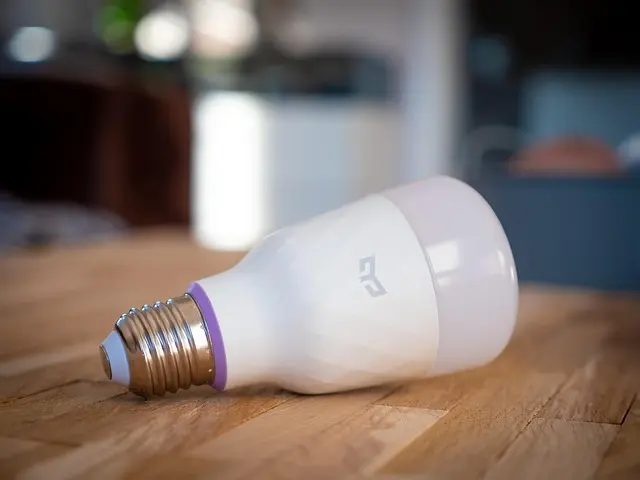
A4: Start with foundational devices that suit your needs, such as smart bulbs, smart locks, or a smart thermostat, and expand as you become more comfortable.
Glossary
| Term | Definition |
|---|---|
| Home Automation | The use of technology to automatically control various functions within a home. |
| Zigbee | A connectivity protocol used in smart home devices for communication and interoperability. |
| Smart Thermostat | A device that adjusts heating and cooling settings automatically based on user preferences. |
Checklist before Purchase
- [ ] Determine essential features
- [ ] Set a realistic budget
- [ ] Check for compatibility with existing devices
- [ ] Research brands and product reviews
- [ ] Ensure long-term software support
🧠 Quick Quiz: Which home automation feature do you find most appealing?
- A) Security Enhancements
- B) Energy Efficiency
- C) Convenience
Answer: B — Energy efficiency is a growing trend due to rising utility costs.
📺 For more insight: Watch our video on Home Automation Trends 2026, available on YouTube: "home automation systems 2026".
In conclusion, the right home automation system can transform your living experience, providing convenience, safety, and energy efficiency. With careful research and consideration of your specific needs, you can select an ideal system tailored for your home. Discover our recommendations below for suggested products to kickstart your smart home journey.
📺 Pour aller plus loin : home automation systems 2026 sur YouTube
Recommended products
Selected by our experts

16x25x5 Replacement Air Filter for Bryant Carrier FILCCFNC0016 Air Systems, Coleman MU1625, Day & Night FILCCCAR0016, Electro Air M1-1056
factorydirectfilters.com
Smart Caregiver Resident Wristband and Transmitter for Door Bar Systems - 5 Pack
concordhealthsupply.com
Smart Caregiver Resident Wristband and Transmitter for Door Bar Systems
concordhealthsupply.com